
Listening skills
The following videos cover aspects of childhood development and listening skills
-
Hearing Health and childhood development
-
Listening development and hearing health of children
-
Explaining Hear Glue Ear
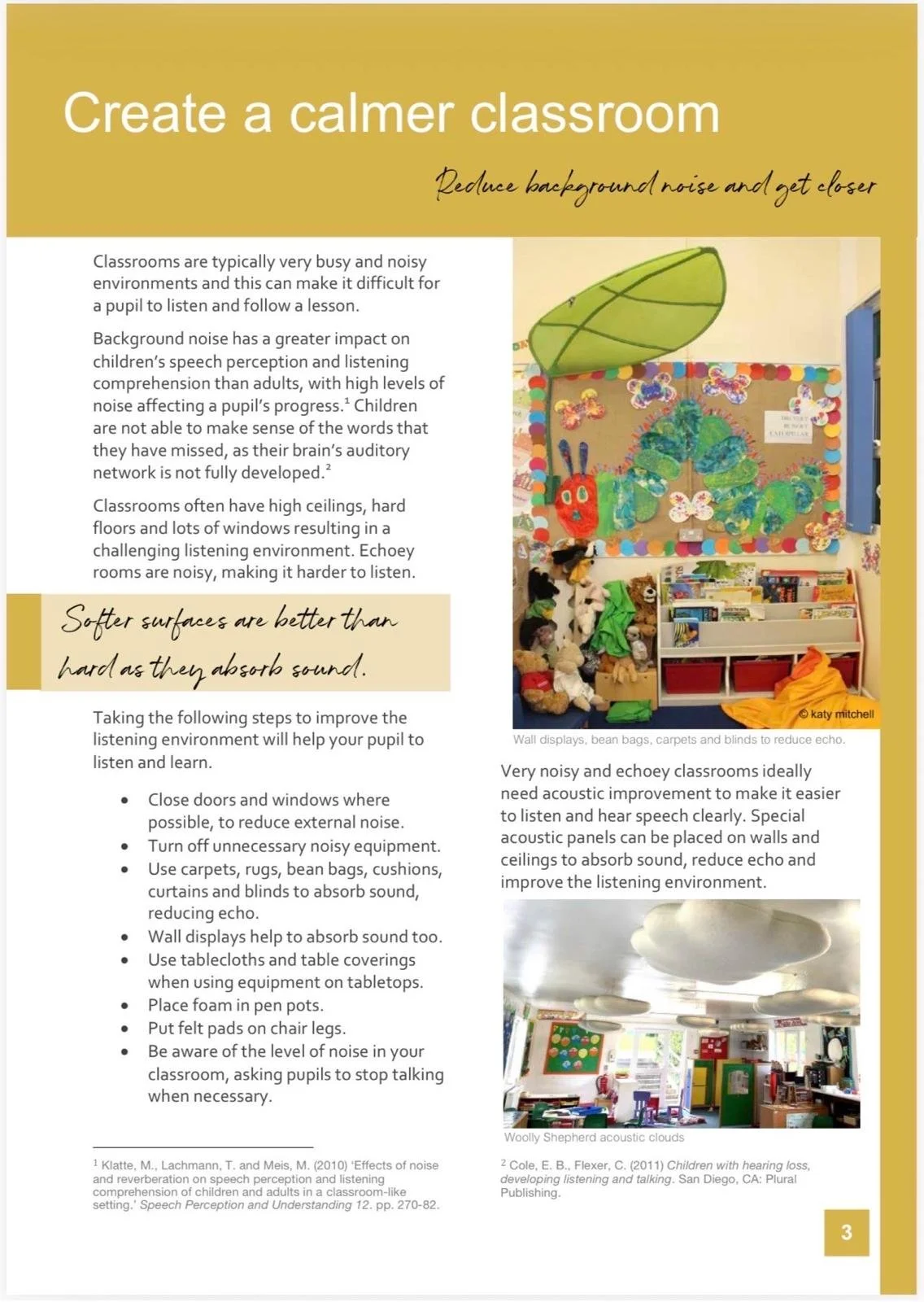
Parents and carers can support listening by reducing background noise and seating the child preferentially near the person speaking. A child’s listening skills continue to develop into adolescence, so children with glue ear can be supported to continue to develop listening skills throughout their childhood. Listening skills underpin learning, communication and connections with people, so emphasis is placed on supporting listening skills in childhood whether or not a child has glue ear.
This video explains how to support good listening and strengthen listening skills:
https://share.synthesia.io/ff7e8e59-ce4f-4797-a1cf-5d383391deba
Further games to support listening skills can be played at home such as :
- I went shopping: This is a game several people can play. The first person chooses an item such as oranges, the second person then says “I went shopping and I bought oranges” and then adds their item, for example saying “I went shopping and I bought oranges AND bananas”, the third person says “I went shopping and I bought oranges, bananas and then adds their own item” etc. The game continues until it is too difficult to remember the whole list.
- Guess the animal. One person thinks of an animal and can only answer ‘yes’ or ‘no’ to others questioning them. After 20 questions the animal is revealed if it has not been guessed before this time.
- Guess the noise: one player is responsible for making noises of different tones and volumes. Children can shut their eyes and guess the noises.
- Simon says. This is a game where children must listen carefully to hear if the instruction starts with "Simon says" before doing a physical movement. The length of the commands can be gradually increased (e.g., "Simon says touch your toes, then pat your head") to build listening skills and auditory memory.
Subject: Speech & language section
Thank you to Dr Martina Curtin and Hannah Cook are Speech and Language Therapists that specialise in working with deaf and hard of hearing children at Homerton Healthcare NHS Foundation Trust. Martina is working on developing a new tool called the EPID (Early Parent Interaction with deaf children). The EPID will encourage parents and practitioners to watch home-made video clips of parents and the child interacting, focussing on the positive ways the parent is connecting with their deaf child. More info on the work here: https://linktr.ee/EPIDeaf
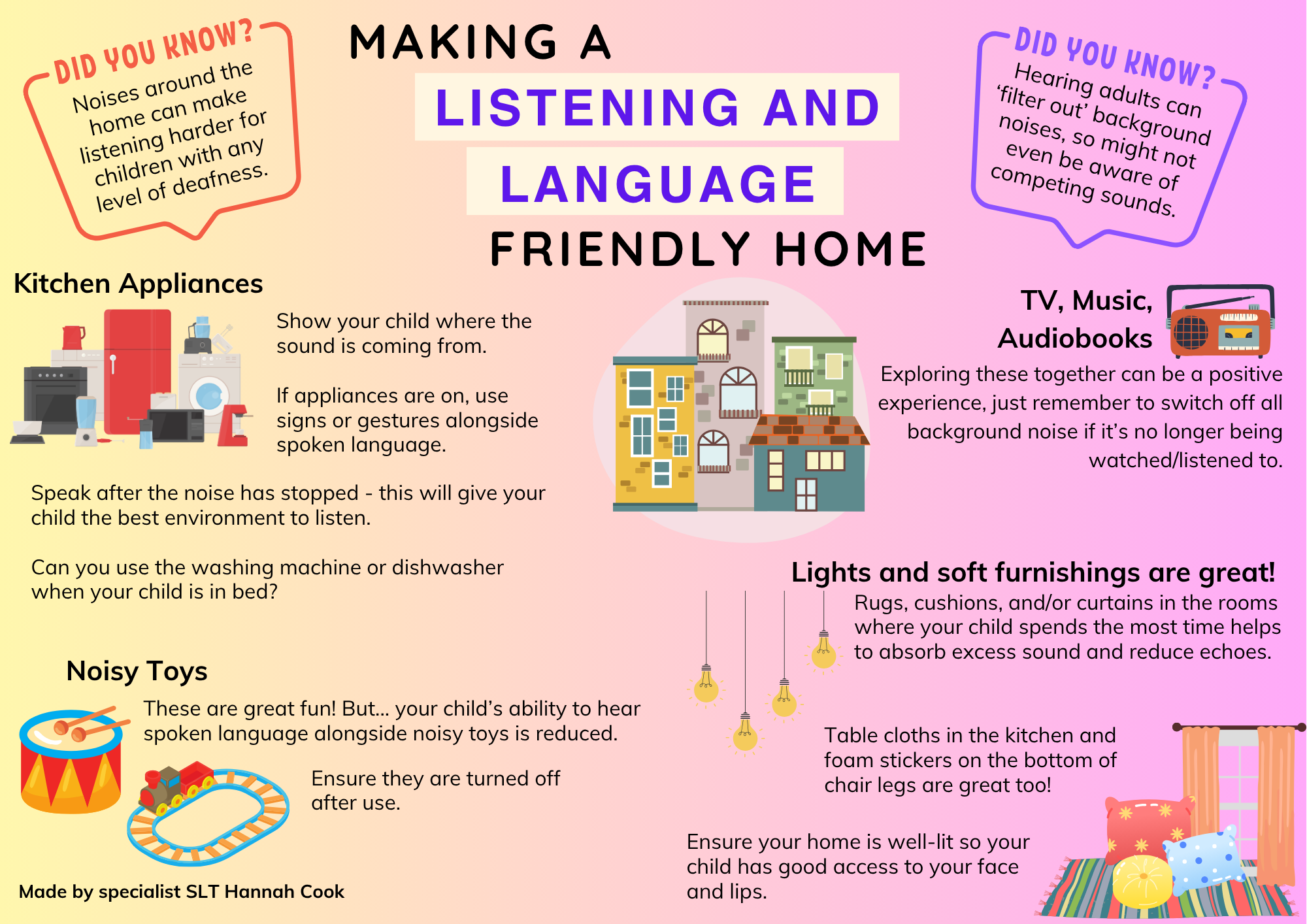
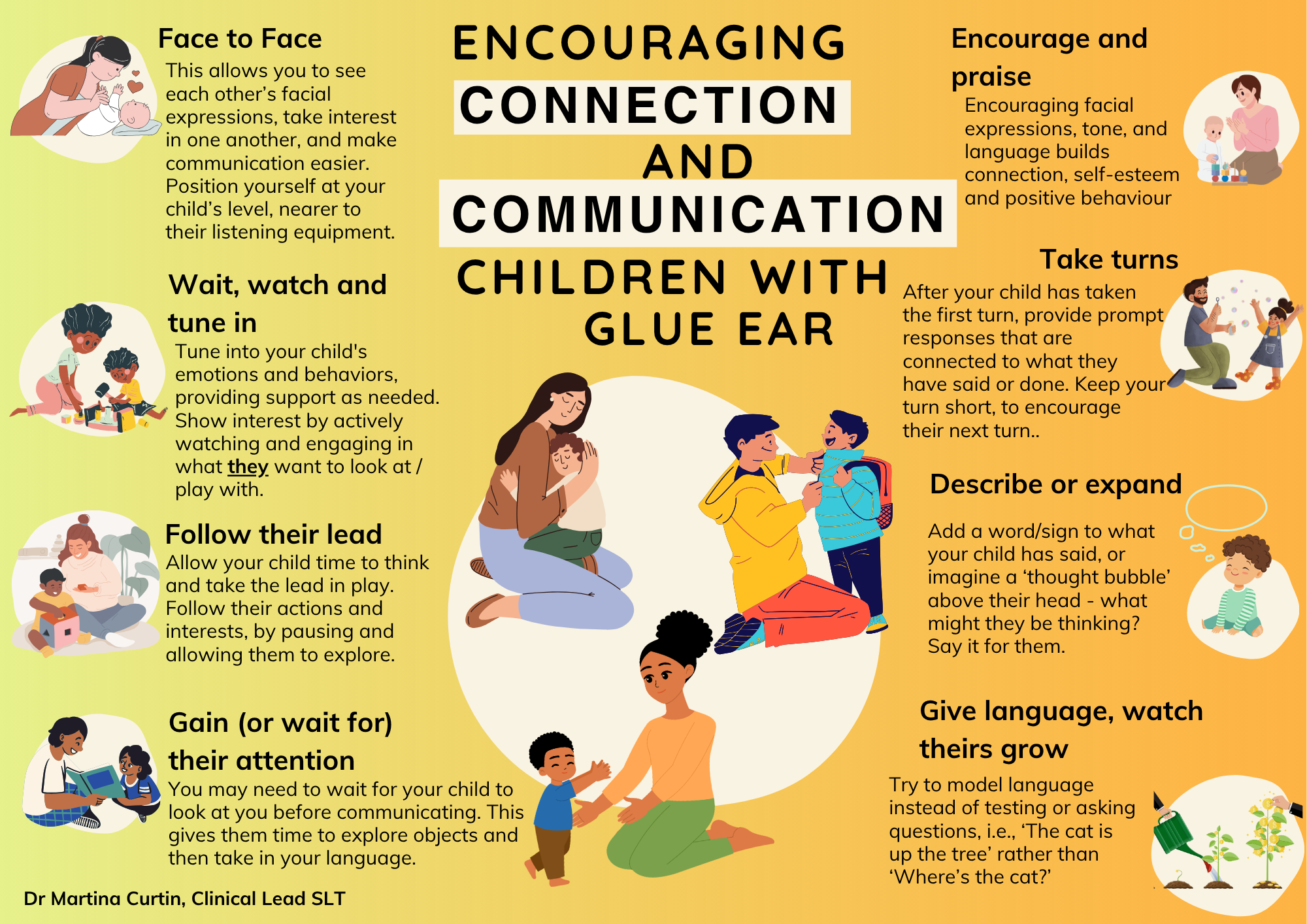
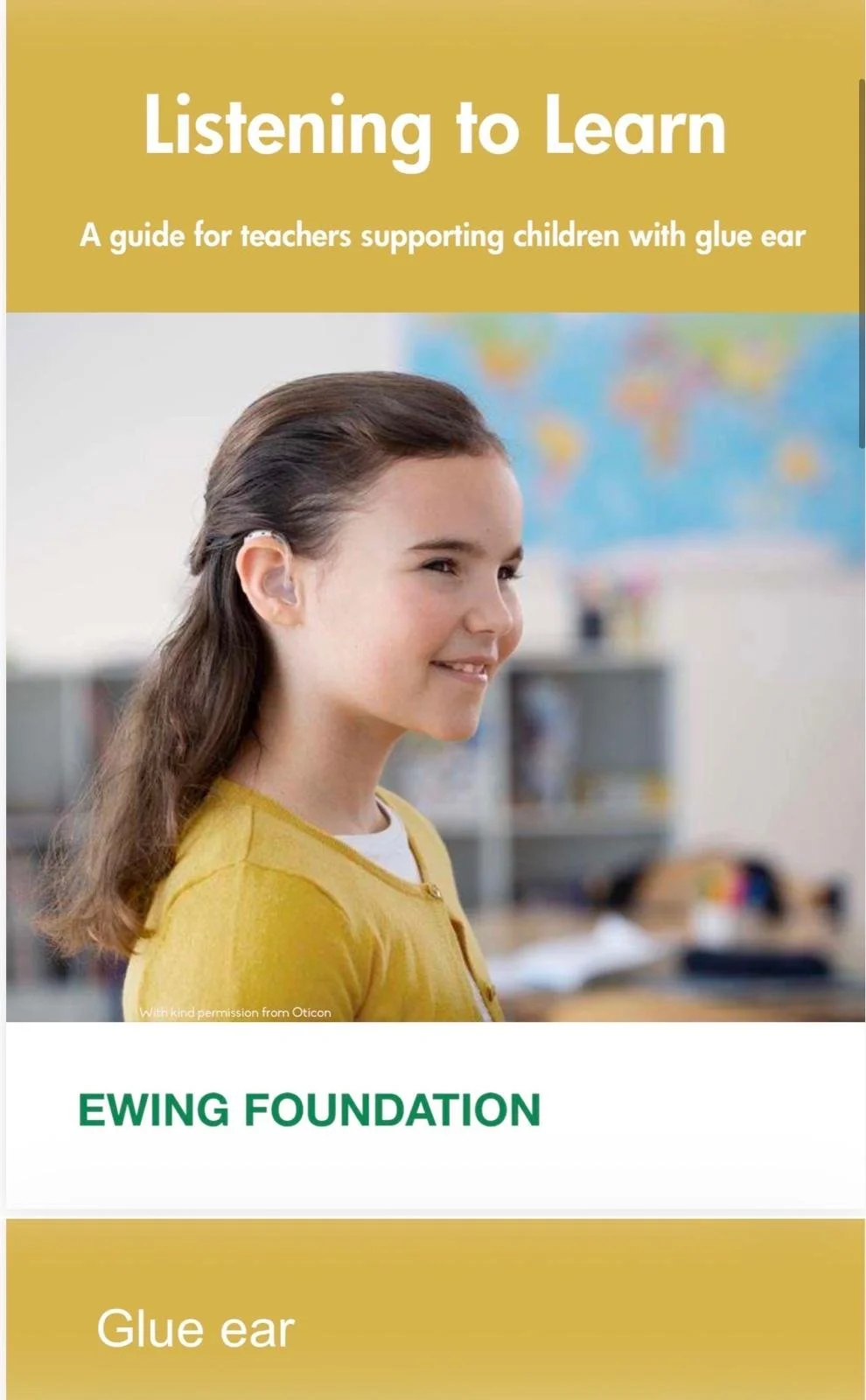
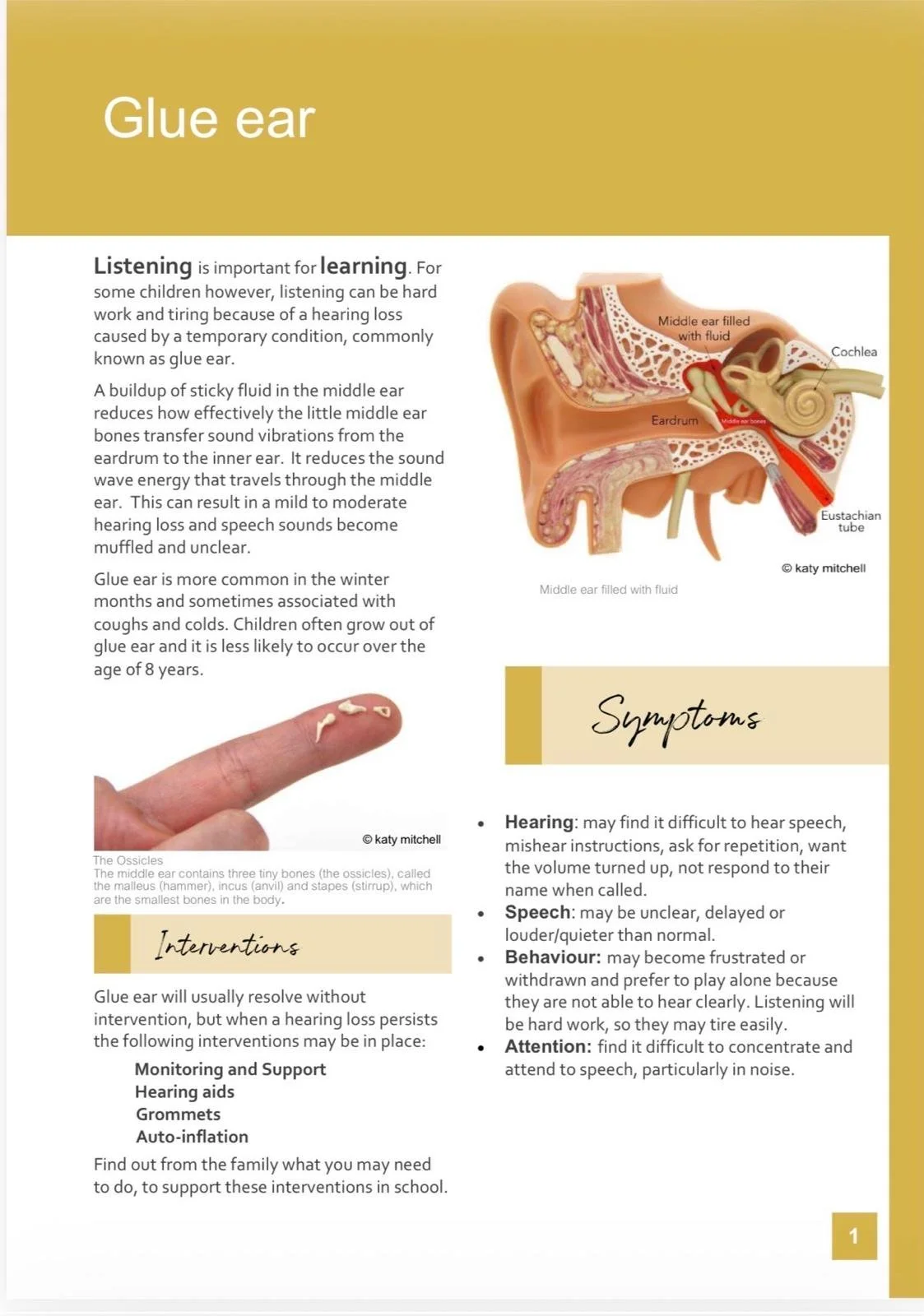
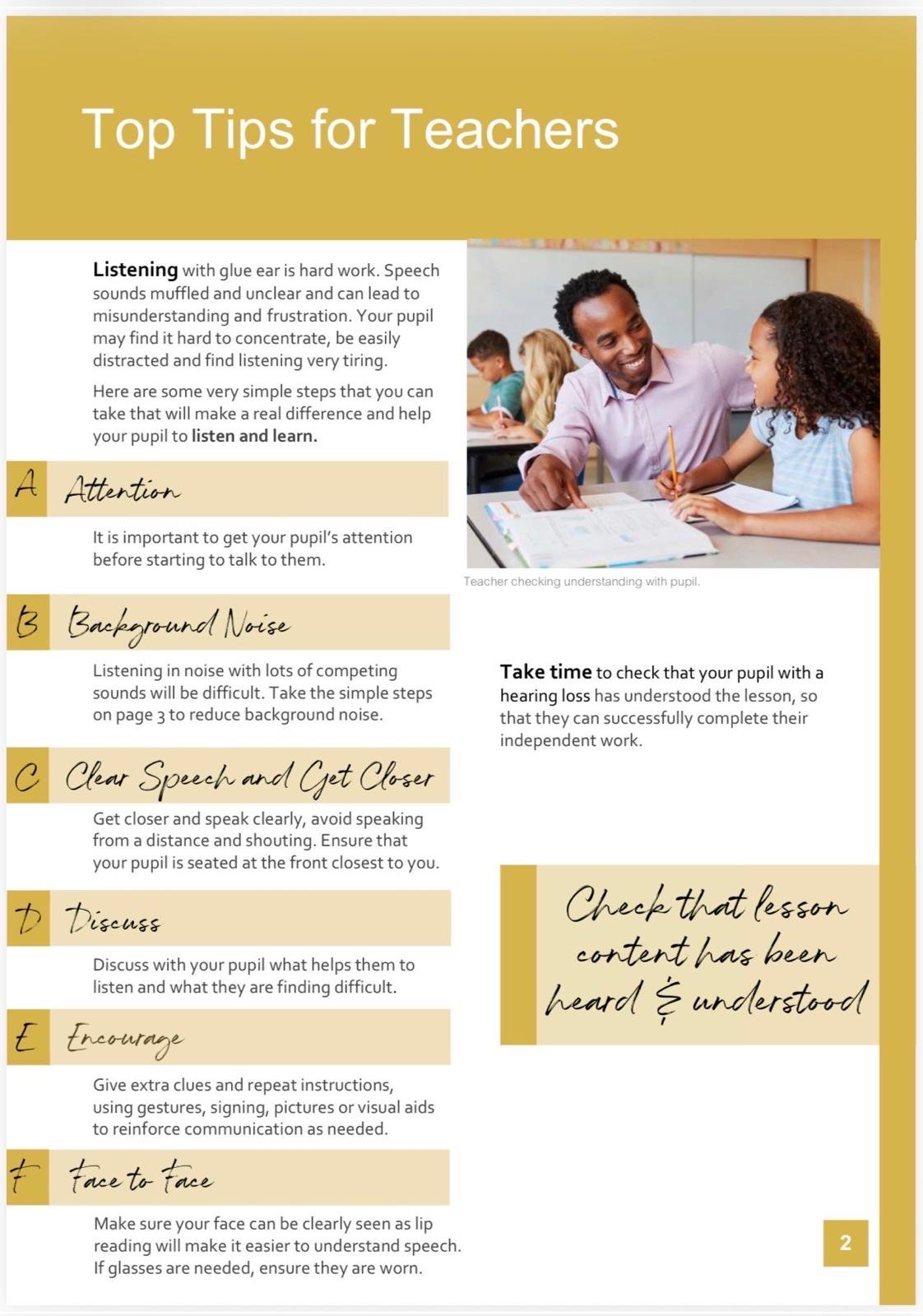
Thank you to Ewing Foundation for the guide for teachers supporting children with glue ear